
The craft spirit landscape is undergoing a significant correction. For the better part of a decade, the market was dominated by an arms race of complexity—gins boasting 47 botanicals, aggressive aging processes, or ABV levels that anesthetized the palate rather than delighting it. However, market data and consumer behavior analysis for late 2025 and early 2026 indicate a pivot. The modern consumer, particularly the urban professional aged 24-38, is moving away from these "juniper bombs" toward spirits that offer clarity, balance, and a distinct narrative. This demographic, often fatigued by the sensory overload of the digital age, seeks products that facilitate a moment of genuine connection and relaxation rather than a challenge to be conquered.
Enter the era of floral sophistication. This shift isn’t about masking poor quality with perfume; it’s about the technical mastery of balancing volatile aromatic compounds. We are seeing a surge in demand for gins that prioritize specific, high-quality floral notes like jasmine and rose, anchored by precision citrus rather than overwhelming spice. Spring Kiss exemplifies this new wave. It represents a mature approach to distillation where the goal is not to shout the loudest, but to sing the clearest. In this analysis, we will dissect why this specific flavor profile is resonating with the modern palate and why it belongs in your home bar.
To understand the value of Spring Kiss, one must first understand the current state of the market. For years, the trend in craft gin was additive. Distillers felt the need to differentiate by adding more—more herbs, more roots, more spice. While this produced some interesting experiments, it often resulted in muddied flavor profiles where no single ingredient could shine. For the consumer, this created a paradox of choice and a frequent dissatisfaction with spirits that were too complex to mix easily into a standard cocktail routine.
The current correction favors "essentialism." This philosophy argues that a spirit should do a few things perfectly rather than many things adequately. The target audience—young professionals in tech, media, and creative industries—understands this concept well. It parallels the minimalist trends in software design and architecture: strip away the noise to reveal the function. Spring Kiss adopts this methodology by focusing on a core quartet of botanicals: jasmine, rose, citrus, and juniper. By limiting the variable inputs, the quality of each specific extraction becomes the focal point. There is nowhere to hide flaws in a stripped-back profile; the balance must be absolute.
This shift also addresses "palate fatigue." In a world of high-intensity IPAs and barrel-strength bourbons, a floral, citrus-forward gin offers a necessary respite. It is designed for the "third space"—that moment between the high-pressure work day and the social evening. It is a spirit built for decompression, not intoxication. The industry data supports this: sales of "light and fresh" flavor profiles are outpacing traditional "dry and spicy" profiles in the premium segment, suggesting a long-term change in consumer preference rather than a fleeting fad.
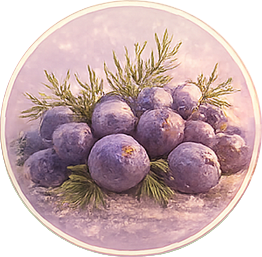
Let’s deconstruct the liquid itself. The success of a floral gin hinges on the interaction between the floral volatile compounds and the terpenes found in juniper and citrus. In Spring Kiss, this interaction is meticulously engineered. The primary floral note, jasmine blossom, contains indole and benzyl acetate. In high concentrations, these can be cloying, but when balanced correctly, they trigger a deep, neuro-associative response linked to luxury and calm. Rose adds geraniol and citronellol, compounds that bridge the gap between floral and citrus, creating a seamless transition on the palate.
The citrus element is the functional mechanic of this flavor profile. It acts as a palate cleanser, cutting through the potential heaviness of the floral oils and ensuring the finish remains crisp. Without this "fresh and light" citrus counterpoint, the gin would lack structure. The juniper, described here as "classic and refined," provides the necessary backbone. It grounds the ethereal top notes of jasmine and rose, reminding the drinker that this is, indeed, a gin.
From a gastronomic perspective, this profile is superior for food pairing. Heavy, spicy gins often clash with modern, lighter cuisine. The floral and citrus notes of Spring Kiss, however, complement dishes often consumed by this demographic: fresh seafood, light salads, and Asian-fusion cuisine where aromatic balance is key. By moving away from heavy earthiness, the gin becomes a versatile instrument in the culinary toolkit, capable of enhancing a meal rather than dominating it.
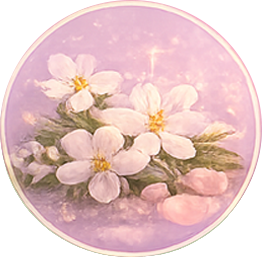
The choice of jasmine and rose is not merely aesthetic; it is psychological. Olfactory science tells us that the sense of smell is directly linked to the limbic system, the brain’s emotional center. Unlike other sensory inputs that pass through the thalamus, scent goes straight to the amygdala and hippocampus. This is why a specific smell can instantly evoke a memory or a feeling. Spring Kiss leverages this biological pathway to deliver on its promise of "tasting the spring."
Jasmine is clinically associated with uplifting mood and reducing stress markers. Rose is often linked to feelings of warmth and comfort. By centering the flavor profile on these two botanicals, the gin transcends being a mere alcohol delivery system and becomes a functional tool for mood regulation. For the young professional dealing with high-stress environments, the ritual of preparing a drink with these specific aromatic cues can signal the brain to switch from "work mode" to "rest mode."
This "mindful drinking" aspect is crucial. The goal isn’t inebriation; it’s the sensory experience. The description "not loud or complex" speaks to this. A loud spirit demands attention; a balanced, soft spirit supports the moment. Whether it’s a quiet evening alone or an intimate gathering with friends, the aromatics of Spring Kiss are designed to enhance the atmosphere without demanding center stage. It fosters a "soft seduction" rather than a hard sell, aligning perfectly with the shift towards more intentional consumption habits seen in 2026.
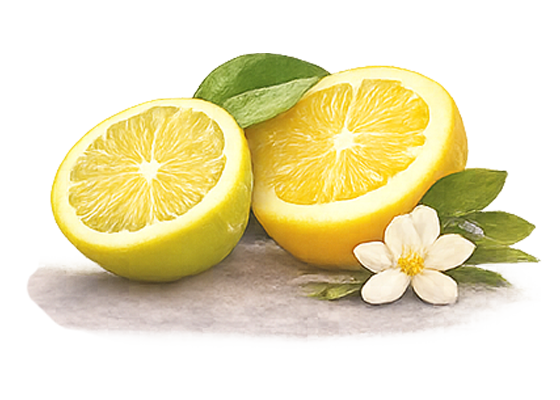
A common objection to floral gins is their perceived lack of versatility. Skeptics argue that they only work in a Gin & Tonic. While Spring Kiss excels in a G&T—specifically when served in a large copa glass with plenty of ice to allow the volatiles to release—its potential extends far beyond. The "perfect balance" with fresh citrus makes it an ideal candidate for a variety of classic and modern cocktails.
Consider the Gimlet. A traditional Gimlet relies on the interplay of gin and lime cordial. Using Spring Kiss introduces a floral dimension that transforms the drink from a sharp, acidic cocktail into something far more rounded and elegant. The rose notes soften the lime’s bite, while the jasmine adds an aromatic finish that lingers. Similarly, in a French 75, the floral notes pair exceptionally well with the yeast and brioche notes of a good champagne, creating a drink that is sophisticated and celebratory.
For the home mixologist, this versatility is a value multiplier. You do not need five different bottles of gin to cover your bases. A well-constructed floral gin like Spring Kiss has enough juniper backbone to stand up to vermouth in a Martini (twist, not olive), yet enough delicate top notes to shine in a simple highball. The recommendation to garnish with a lemon peel or a rose petal isn’t just decoration; it’s a way to accentuate the existing flavor compounds in the spirit, allowing the drinker to customize the intensity of the floral experience.
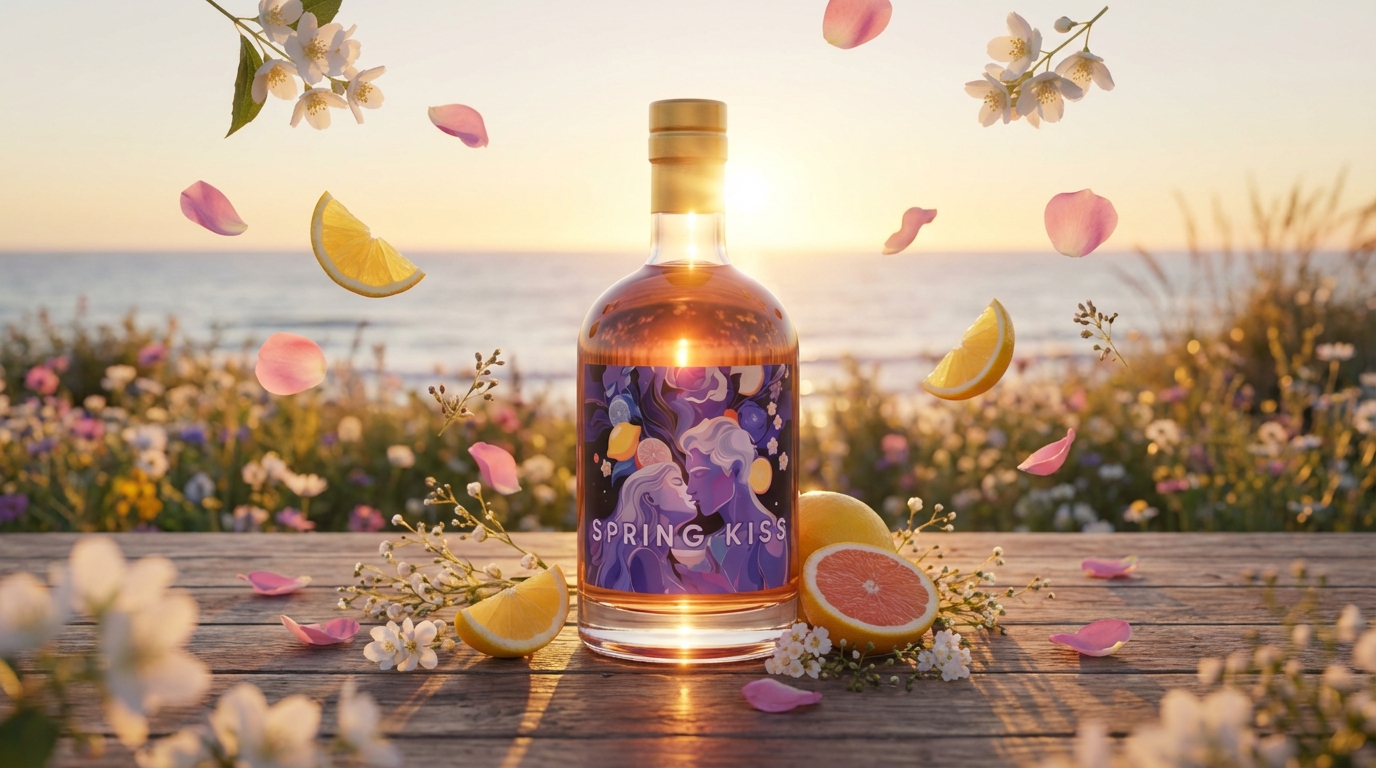
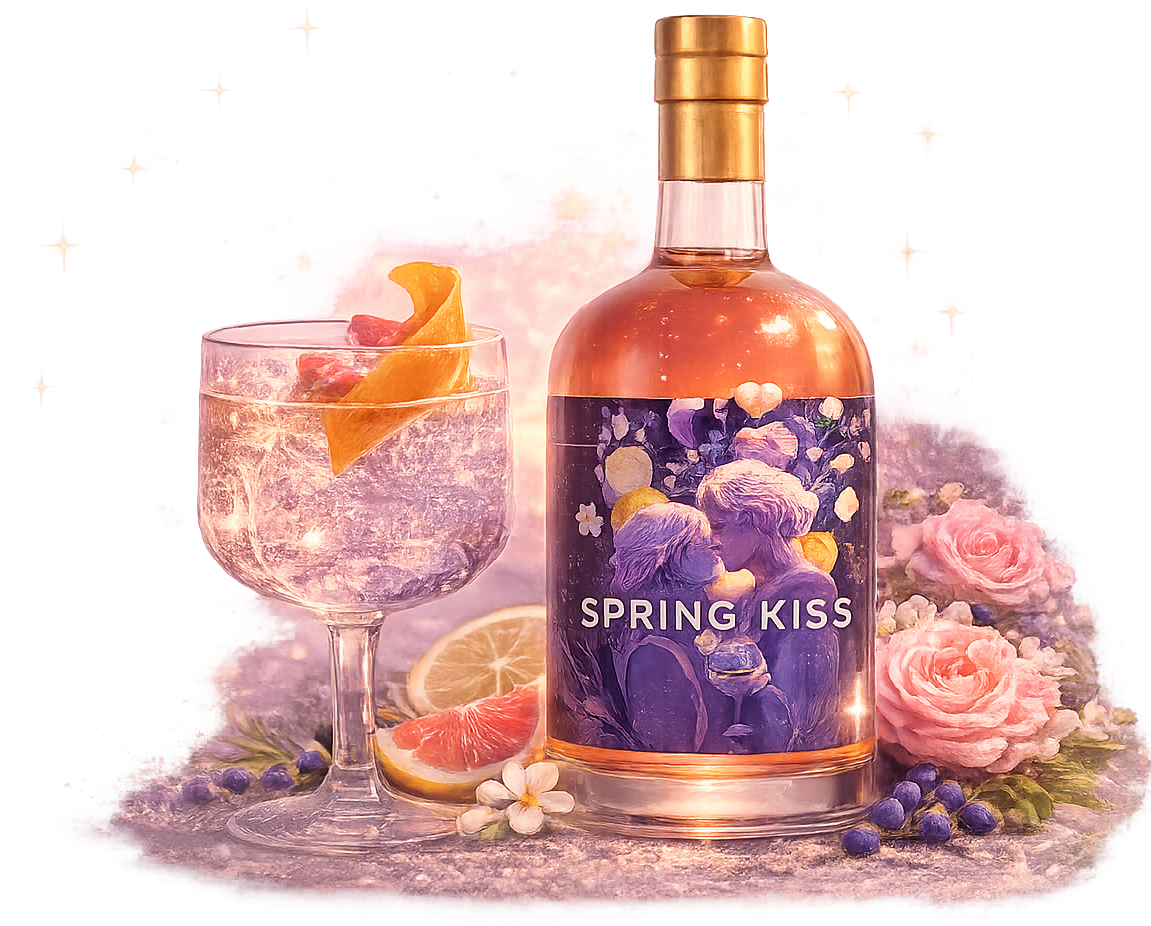
In the age of social media and curated lifestyles, the visual component of a product cannot be ignored. The presentation of Spring Kiss acknowledges that we drink with our eyes first. The amber hue of the liquid, the golden cap, and the artistic label featuring intertwined profiles all contribute to a premium experience. This is not superficial; it is part of the "priming" effect in psychology. A beautiful bottle sets the expectation of a beautiful liquid, actually enhancing the perceived taste.
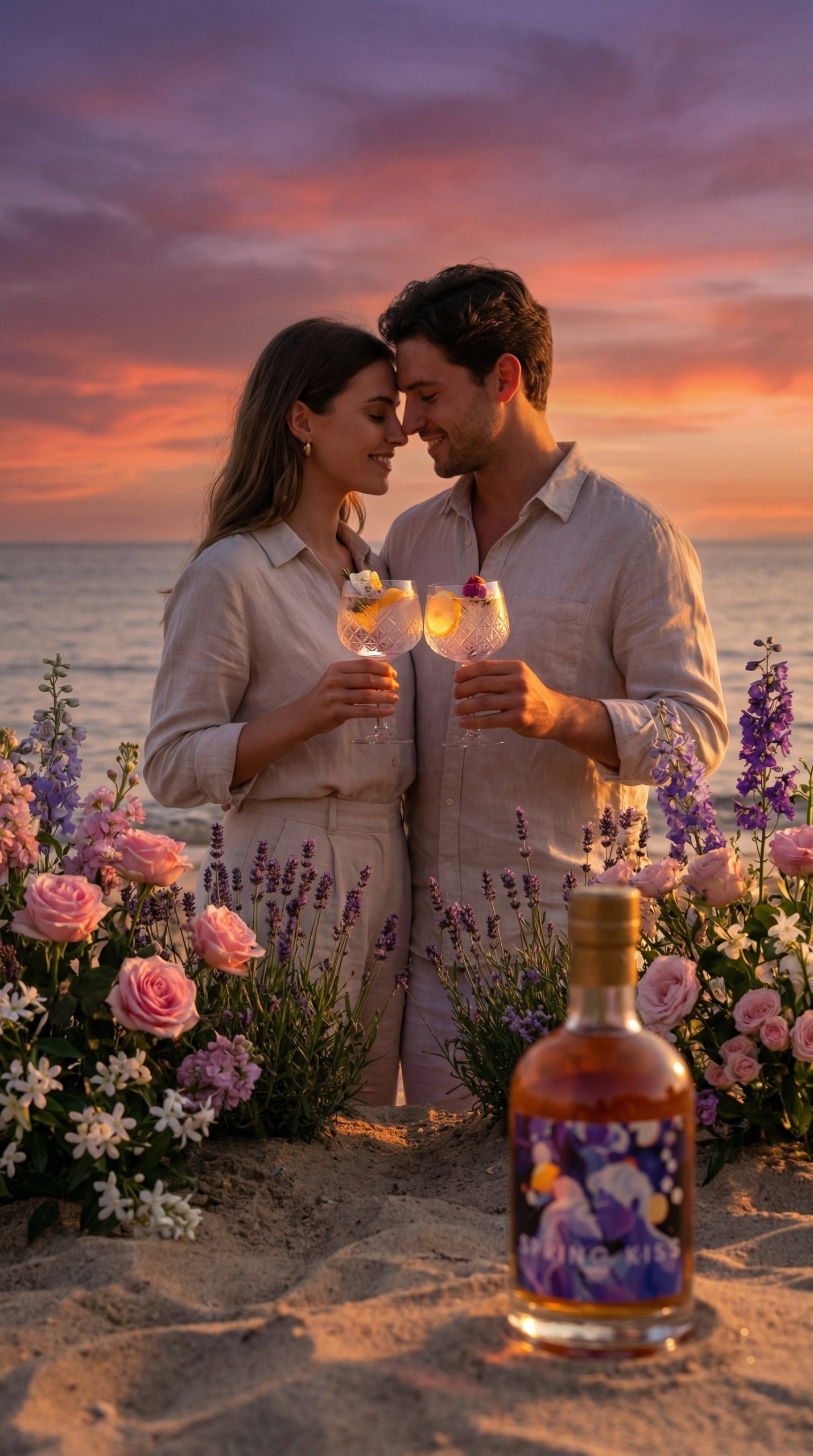
The imagery associated with the brand—sunsets, wildflowers, golden hour light—reinforces the flavor profile. It communicates warmth, softness, and accessibility. For the consumer hosting a dinner party or looking for a unique gift, these aesthetics matter. A bottle that looks good on a bar cart adds to the interior design of a modern apartment. It signals taste and discernment.
Furthermore, the "serve" itself is an aesthetic act. Pouring the gin over clear ice, watching the condensation form on the glass, adding a precise garnish—these are tactile pleasures that ground us in the present moment. Spring Kiss is designed to be the centerpiece of this ritual. It invites the drinker to "close their eyes" and engage with the senses, a small but significant luxury in a fast-paced world. The visuals are not just marketing; they are a user guide for the emotional state the product intends to evoke.

We are witnessing a macro-trend in the beverage industry: the move from "power" to "nuance." In the early 2020s, trends were driven by extreme flavors—super-peaty scotches, high-IBU IPAs. By 2026, the pendulum has swung back towards balance. Consumers are educated; they no longer equate "strong flavor" with "quality." They are looking for complexity that reveals itself slowly. Floral notes are the perfect vehicle for this.
This trend is also driven by the global interest in botanical wellness and natural ingredients. Flowers like jasmine and rose are perceived as clean, natural, and gentle. They align with the "clean label" movement where consumers want to know exactly what they are ingesting. Spring Kiss fits squarely into this zeitgeist. It feels less processed, more agricultural, more connected to nature.
Additionally, the globalization of palates has introduced Western consumers to Asian and Middle Eastern flavor profiles where floral notes are common in cuisine and sweets. This has desensitized the palate to the "soapy" association some older generations had with floral flavors, opening the door for floral gins to be accepted as mainstream staples rather than niche novelties. Spring Kiss is not an outlier; it is a frontrunner in a category that is projected to grow significantly over the next five years.
Finally, we must address the value equation. In a market flooded with "premium" spirits that often lack distinctiveness, Spring Kiss offers a clear return on investment. It provides a unique flavor profile that is difficult to replicate with standard well gins. For the price, you are buying not just a bottle of alcohol, but a curated experience—a "spring evening in a glass."
As a gift, it occupies a sweet spot. It is unique enough to show thought and effort, yet accessible enough to be enjoyed by anyone, regardless of their expertise in spirits. It avoids the risk of gifting a polarizing spirit (like a smoky mezcal) while still feeling adventurous. The packaging and the story—"proef de lente" (taste the spring)—make it ready-to-gift, saving time and effort for the busy professional.
Ultimately, the value lies in its honesty. It promises a soft, floral, elegant gin, and it delivers exactly that. "What you see is what you get." In an era of marketing hyperbole, this reliability is a currency of its own. It respects the consumer’s intelligence and their palate, offering a sophisticated product that doesn’t need to shout to be heard.